
 October
24
October
24
Tags
HEALTH – Expert Solutions to Banishing Nausea in Pregnancy, Menopause and GLP-1 associated Nausea

GLP-1 Associated Nausea
In the UK nausea is a very common and sometimes a high side effect of GLP-1 medications. It is one of the most frequently reported issues, particularly when starting the medication or increasing the dose, and can affect a large percentage of users. While often mild to moderate, nausea can occasionally lead to more serious complications like dehydration, and for some, it can be severe enough to cause them to stop taking the drug.
Typically, nausea is seen at the beginning of GLP-1 treatment, at each dose increment and will traditionally get better overtime. The challenge is that nausea is an unpleasant experience, subjectively described as an uneasy sickness to the stomach that can disrupt quality of life, sometimes leading to discontinuation of medication”, says Dr. Florencia Ziemke, MD, dABOM, a US-based Obesity Medicine expert.
Nausea is an established side effect of GLP-1 medications, which I see in clinical practice”, Dr. Ziemke says, “Prescription anti-nausea medication can present a challenge with drug interactions if a person is on other medications, plus they are not side effect free. Dietary changes alone may not be sufficient to tame the symptom. Published Placebo-controlled trials have well established Sea-Band’s (amazon.co.uk) use for nausea relief, which is seen within, as little as five minutes and are effective in 80% of patients taking the medication.”

Menopause Related Nausea
Nausea is more often more associated with pregnancy rather than the menopause. In both instances nausea is triggered by lowering levels of progesterone. Here, menopause expert Eileen Durward (avogel.co.uk) explores the relationship between nausea and other menopausal symptoms whilst also recommending a range of natural treatments to soothe any unsettled feelings of queasiness.
Nausea can be extremely unpleasant, and many people do not realise that it is sometimes a symptom of the menopause. Nausea most often occurs during the peri-menopause, and the symptom is usually at its worst in the morning. It can be accompanied by other PMS-like symptoms.
Nausea can be described as an uncomfortable feeling usually in the upper stomach, characterised by an urge to vomit. Although this feeling usually precedes vomiting, this is not always the case with the menopause.
Nausea may also be a side-effect of HRT. If this is the case, you may want to consider a different type of HRT, or an alternative.
It is thought that reduced levels of the hormone progesterone cause gastrointestinal problems such as bloating, indigestion and heartburn, all of which may also lead to nausea.
Additionally, nausea may be caused or worsened by stress or fatigue. Both of these conditions are commonly associated with the menopause. If you are feeling overworked, then looking for ways of improving this may help to lift your feeling of nausea.
Lastly, severe menstrual pain or cramps can give rise to nausea.
Most commonly, nausea comes at the early part of the menopause when a woman is still menstruating (more or less) regularly, and accompanied by PMS-like symptoms, such as period pains or bloating. If this is the case, try Premenstrual Relief Agnus Castus Oral Drops (avogel.co.uk) in the first instance. These drops help relieve pre-menstrual symptoms – Mood Swings, Menstrual Cramps, Bloating & Breast Tenderness.
If your periods have stopped and you are experiencing nausea because of the menopause, try a supplement containing soya isoflavones, such as A.Vogel’s Menopause Support (avogel.co.uk).
TIP: Menopause Support contains isoflavones from fermented soya beans, hibiscus and magnesium. It is a general menopause supplement to see you through all points in this stage of your life.
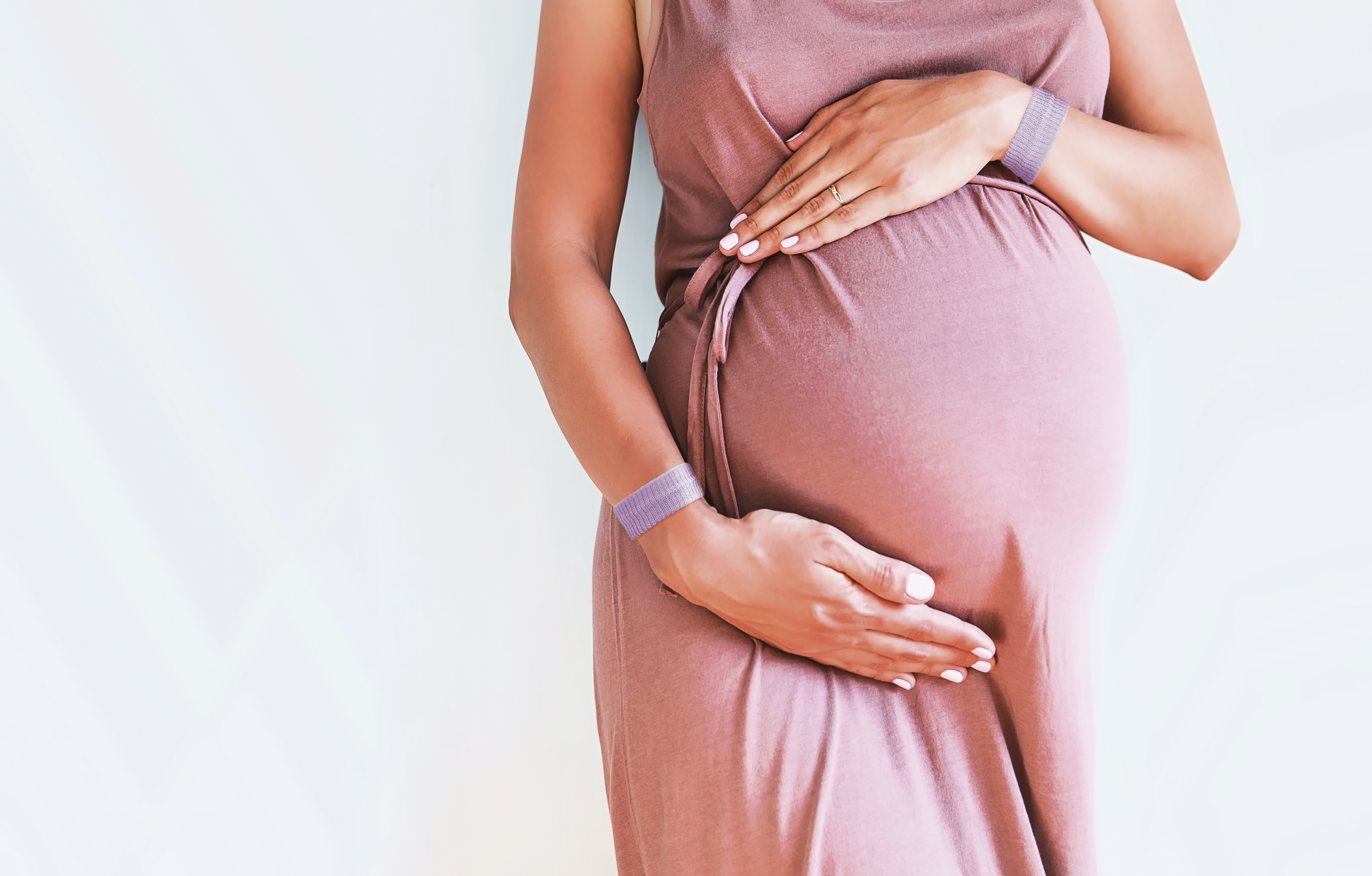
Pregnancy Nausea
In the UK, around 70% of pregnant women experience morning sickness. This can range from mild nausea to severe vomiting, and in some cases, it can lead to a condition called hyperemesis gravidarum (HG), affecting 1-3% of pregnancies. Up to 30,000 pregnancies per year in the UK are affected by HG.
For many, it is the first heads-up that a new arrival is on the way.
Acupressure can help with pregnancy nausea by applying firm pressure to specific points, such as the P6 (Neiguan) point on the inner wrist, which may reduce nausea by relaxing muscles and altering nerve signals to the brain. It is a drug-free method that may help reduce nausea and vomiting by stimulating the body to release certain chemicals. For best results, apply steady pressure with your thumb or index finger for 30 seconds to 5 minutes, and you can also use specialized acupressure wristbands.
Acupressure to the rescue! Sea-Band Mama Nausea Relief Bands (amazon.co.uk) provide a tested, drug-free solution that can eliminate nausea fast. Worn like a sweatband around your wrist, the pressure stud sewn into the interior of each acupressure wristband, presses against and stimulates the P6 (or Nei-Kuan) acupressure point on the inside of your wrist.
Extensive research, including independent expert opinion, clinical reviews and randomised controlled trials, shows that pressure applied to this point, can relieve nausea and vomiting associated with pregnancy.
Created to help provide a completely natural, clinically trialled, drug-free solution for morning sickness and nausea during pregnancy, these comforting acupressure bands typically reduce nausea within five minutes after being placed around your wrist.
“Sea-Bands with acupressure buttons are a non-invasive, inexpensive, safe, and effective treatment for the nausea and vomiting of pregnancy.” — N. M. Steele, RNC, MSN, WHNP


 Heart London Magazine